
 The US Army Corps of Engineers (Pittsburgh District) maintains and operates reservoirs in Pennsylvania, West Virginia, and New York. The dams are constructed for selective withdrawal, with output gates at multiple levels in the water column.
Monitoring the yearly evolution of temperature stratification is a critical component in many lake management and research programs due to its pronounced effects on aquatic chemistry and biology. Lake stratification develops seasonally when surface water becomes warmer (and less dense) than deeper water. This results in temperature-dependent density differences that prevent mixing and form isolated layers of water, each with their own distinct chemistry.
Among the more common concerns is the depletion of oxygen in the deeper layers of stratified lakes during the summer months. Below the thermocline, dissolved oxygen is insufficient to support most aquatic life. The Corps of Engineers wanted a way to monitor and control the lake temperature at various stratification levels.
Watching dissolved oxygen
 The release of overly warm surface water, or oxygen-depleted bottom water, at selective withdrawal dams, could devastate downstream fish populations. At a number of reservoirs across Pennsylvania, real-time temperature stratification data is acquired using temperature strings suspended from buoys. Every hour, NexSens submersible data loggers transmit this temperature data via license-free radio telemetry to a host computer running iChart software, which automatically posts the data to WQData LIVE web datacenter.
With the easy, online access provided by the NexSens system, dam operators and reservoir managers can release water from different depths selectively in order to maintain acceptable water quality conditions downstream of the reservoirs. Additionally, tracking stratification data throughout the year provides long-term data sets that aid in research efforts and the development of best management practices.
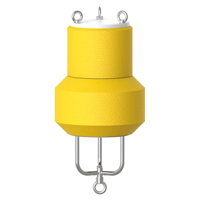
The CB-50 data buoy is designed for quick deployment in emergency response situations including industrial spills and natural disasters.

The X2-SDL Submersible Data Logger is a rugged, self-powered data logging system with optional cellular, satellite, or radio communications.

The NexSens TS210 Thermistor String provides high precision temperature measurements for profiling in lakes, streams, and coastal waters.
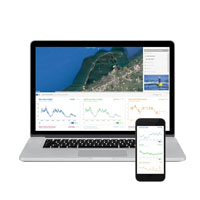
WQData LIVE is a web-based project management service that allows users 24/7 instant access to data collected from remote telemetry systems.